Adobe Summit 2026 Recap: From AI Hype to Real Execution
Adobe Summit 2026 Recap: From AI Hype to Real Execution
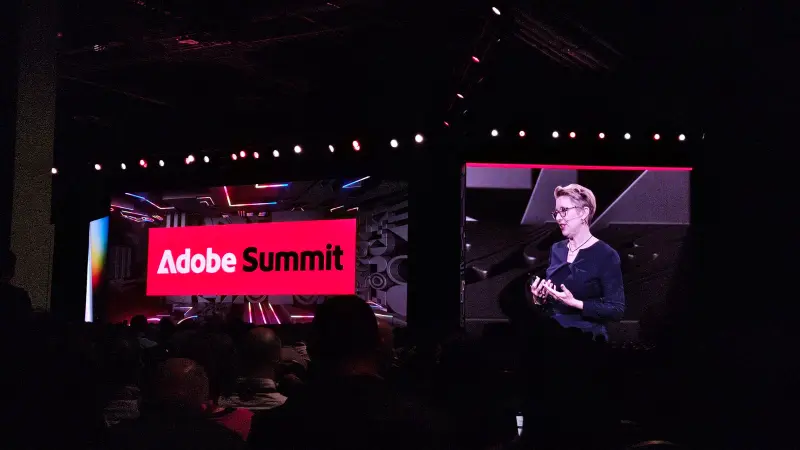
From April 19–22, Adobe Summit 2026 brought together marketing, data, and technology leaders in Las Vegas to explore what’s next in digital experience. This year’s direction was clear from the outset: AI is no longer a concept to explore—it’s a capability organizations are expected to operationalize.
Across keynotes, sessions, and product announcements, Adobe focused on helping teams move faster from insight to execution by connecting data, content, and customer journeys through AI-powered workflows. The conversation has evolved. It’s no longer about what AI could do, but how it is actually being applied across real-world use cases.
As a Gold Adobe Solution Partner, Munvo was proud to be part of these conversations—reconnecting with clients and partners while continuing to build on our long-standing relationship with Adobe. Summit 2026 provided a valuable opportunity to engage with the ecosystem and take part in the discussions shaping the next phase of digital experience.
A Platform Built for Execution
One of the most noticeable shifts this year was how Adobe continues to evolve toward a more unified, AI-native platform. Rather than focusing on individual tools, the emphasis is now on how everything works together—bringing content creation, data management, and customer engagement into a connected ecosystem.
Announcements such as Adobe CX Enterprise and the expansion of its agentic AI ecosystem reflect a move toward systems where AI doesn’t just assist, but actively participates in execution. From building campaigns using natural language prompts to orchestrating journeys across channels, the goal is to reduce friction and accelerate delivery.
This direction is further reinforced by innovations like Project Halo, which introduces a conversational approach to campaign creation. Instead of configuring complex workflows manually, teams can define objectives in natural language and have full campaigns generated and executed using their own data, brand context, and past performance. This type of capability is designed to bridge the gap between idea and execution—particularly for teams looking to do more with fewer resources.
At the center of this shift is the emergence of always-active AI agents that function more like digital coworkers than traditional tools. These systems can monitor signals, recommend next-best actions, and execute across channels based on high-level goals—moving teams closer to continuous, real-time execution rather than campaign-based cycles.
At the same time, the shift toward prompt-based workflows is becoming more tangible. The idea of moving from intent to execution in minutes is no longer theoretical—it’s quickly becoming part of how teams will operate.
Agentic AI and the Next Phase of Marketing
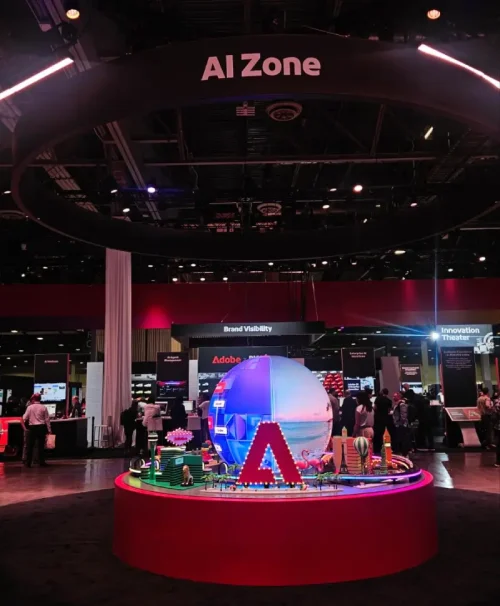
Solutions like CX Enterprise Coworker highlight this direction, enabling AI agents to bring together fragmented systems and support end-to-end customer experiences. Adobe is also evolving its content supply chain into something more adaptive—shifting toward an agentic supply chain where AI agents can be embedded directly into workflow steps rather than relying solely on predefined logic.
This shift also introduces a broader impact on how organizations think about team structure and strategy. As AI takes on more executional responsibility, teams may become leaner and more specialized, supported by systems that are not just “always on,” but continuously adapting to changing signals and goals.
Beyond marketing operations, this evolution is extending into commerce. The concept of agentic commerce is reshaping the role of digital storefronts—transforming them from static destinations into interactive assistants where customers can complete purchases directly within conversational or AI-driven interfaces, without traditional navigation or checkout flows.
At the same time, many organizations are still working through foundational challenges. Data quality, integration complexity, and technical debt remain key barriers. While AI capabilities are accelerating, success still depends on building the right foundation underneath.
Content, Visibility, and the AI Ecosystem
Another important shift is how brands think about content in an AI-driven world.
With innovations like Adobe Brand Intelligence and LLM Optimizer, the focus is expanding beyond content creation to content visibility. Organizations are starting to ask new questions: is our content being surfaced by AI systems? Is it being cited? Is it structured in a way that AI can interpret?
This also connects to the emergence of machine-to-machine interactions, where personal AI assistants—such as ChatGPT or Gemini—act on behalf of users to discover products and make decisions. As a result, brands must consider not only how they communicate with customers, but how they are interpreted and surfaced within these AI-driven environments.
This introduces a new layer of strategy—one that goes beyond traditional SEO into what many are now calling generative or AI-driven discovery.
At the same time, Adobe’s ecosystem is moving toward deeper integration within a unified interface. Workflows that once required switching between tools are becoming more seamless—enabling teams to create assets, manage approvals, and activate experiences across platforms without interruption.
Munvo Gaming Lessons: A Different Kind of Summit Experience
While the sessions and announcements shape the direction of the industry, some of the most valuable moments at Summit happen outside the conference rooms.
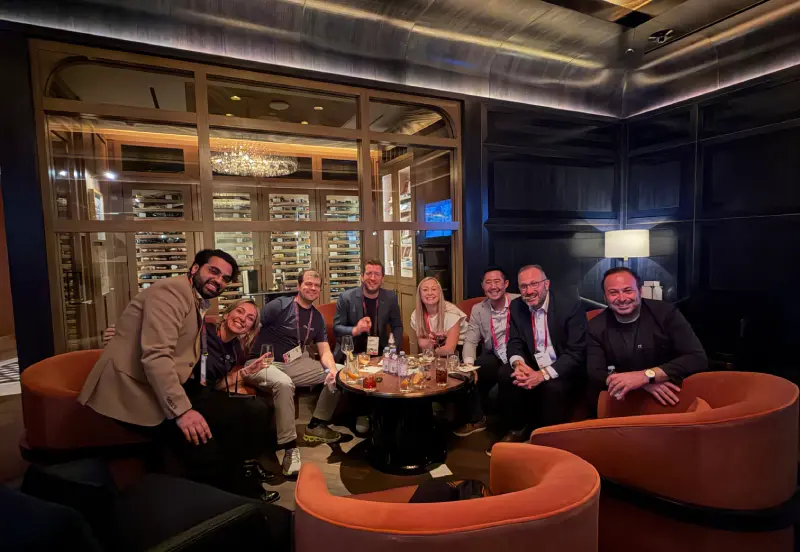
This year, we introduced Munvo Gaming Lessons: Business of Play—a networking experience designed to offer something a little different during an otherwise packed week.
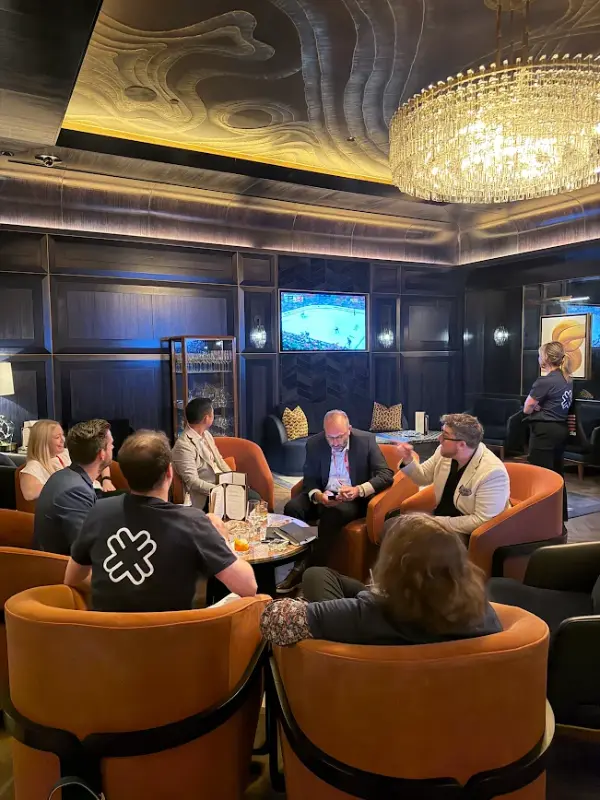
Hosted at The Palazzo at The Venetian Resort, the event brought together a large group of Munvo team members, clients, partners, and members of the Adobe community. With a strong mix of expertise across our team, it created a dynamic environment for meaningful conversations and new connections.
Rather than a traditional reception, attendees were guided through the basics of classic casino games—Roulette, Craps, and Blackjack—creating a shared experience that made it easy to connect. The event saw strong engagement throughout the evening, with full tables and high participation, and many attendees sharing positive feedback both during and after the event.
The goal was simple: create an environment where people could step away from the intensity of the conference, try something new, and have meaningful conversations.
What stood out most was the atmosphere. It was energetic without being overwhelming, structured enough to be engaging, and informal enough to allow real conversations to happen. For many, it became a highlight of their Summit experience.
Looking Ahead
Adobe Summit 2026 made one thing clear: the industry is moving toward a future where AI is embedded across the entire customer experience lifecycle.
But technology alone is not enough. Organizations still need strong data foundations, clear strategies, and the ability to integrate these capabilities into their existing ecosystems.
For Munvo, this reinforces the importance of our role as a Gold partner—helping organizations move from complexity to clarity, and from experimentation to execution.
We’re looking forward to continuing these conversations with our clients and partners in the months ahead.
Ready to get started?
TL;DR article summary
Adobe Summit 2026 emphasized AI has moved from experimental to operational, with Adobe evolving toward unified AI-native platforms that connect data, content, and customer journeys for faster execution.
Adobe announced major shifts toward agentic AI systems that actively execute rather than just assist, including CX Enterprise, Project Halo for natural language campaign creation, and always-active AI agents that continuously optimize across channels. This extends to agentic commerce where storefronts become interactive assistants completing purchases within conversational interfaces.
Content strategy now expands beyond creation to AI-driven visibility—ensuring brands are surfaced and cited by AI systems in machine-to-machine interactions where personal AI assistants make decisions on behalf of users. However, foundational challenges like data quality, integration complexity, and technical debt remain key barriers. Munvo hosted “Gaming Lessons: Business of Play” at The Palazzo, bringing together clients, partners, and Adobe community for casino game tutorials that created meaningful networking and became a Summit highlight for many attendees.
Sales Inquiries + 1 (514) 223 3648
sales@munvo.com
© 2026 Munvo is a trademark of Munvo Solutions Inc.