Enabling Omnichannel Offer Management with SAS Intelligent Decisioning
Enabling Omnichannel Offer Management with SAS Intelligent Decisioning
Services Provided: MarTech Modernization, Data Engineering, Testing & QA, Real-Time Marketing, Real-Time Decisioning Strategy, MarTech Modernization, Cloud-Hosted Migration, SAS Intelligent Decisioning Implementation, SAS Real-Time Decision Manager
Key Topics Covered
- Migrating omnichannel offer orchestration from SAS RTDM to SAS Intelligent Decisioning
- Managing offer eligibility and arbitration across multiple customer channels
- Maintaining a single source of truth during phased decisioning migration
- Validating real-time offer delivery while digital channels evolve
The Challenge
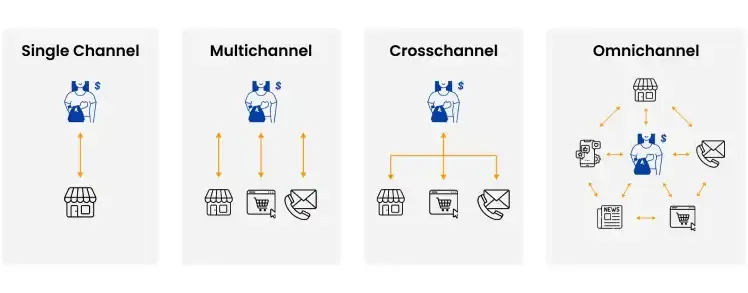
These campaigns were highly dynamic offers competing for visibility and presentation across the client’s mobile app, push notifications, emails, and secure website channels. Due to this, omnichannel offer management planning was necessary so that if a customer was eligible for many of our client’s 200+ marketing campaigns, they would be presented the offer that was most relevant to them and drove the highest ROI.
The SAS ID campaign migration presented several complex architectural and operational hurdles to overcome, notably:
- The Platform Paradigm Shift: Legacy SAS RTDM was purpose-built for marketing with an inherent hierarchy for offer arbitration. SAS ID, however, is a generalized decisioning engine, and recreating the legacy marketing hierarchy within a generalized cloud architecture required meticulous re-engineering and extensive expertise.
- The Coexistence Problem: To mitigate risk, the 200+ campaigns active across multiple channels could not be moved with a single “big bang” launch. This meant both the legacy SAS RTDM and the new SAS ID engines had to run simultaneously for nearly a year without sending customers duplicate or conflicting offers, while also ensuring having a single source of truth for offers that a customer was eligible for, shown, or responded to.
- “Staying Airborn” with Concurrent Development: Our client, like most large companies, cannot focus on one migration project and ignore the many others that are in-flight. While Munvo executed the decisioning migration, the client’s internal tech teams were actively enhancing their digital channels, including their mobile app. Thus, our team had to take this into consideration and build decisioning logic for digital real estate that was actively evolving.
The Munvo Solution
To seamlessly transition the client’s omnichannel offer management without disrupting the customer experience, Munvo engineered a flexible architecture and a rigorous, API-driven deployment strategy.
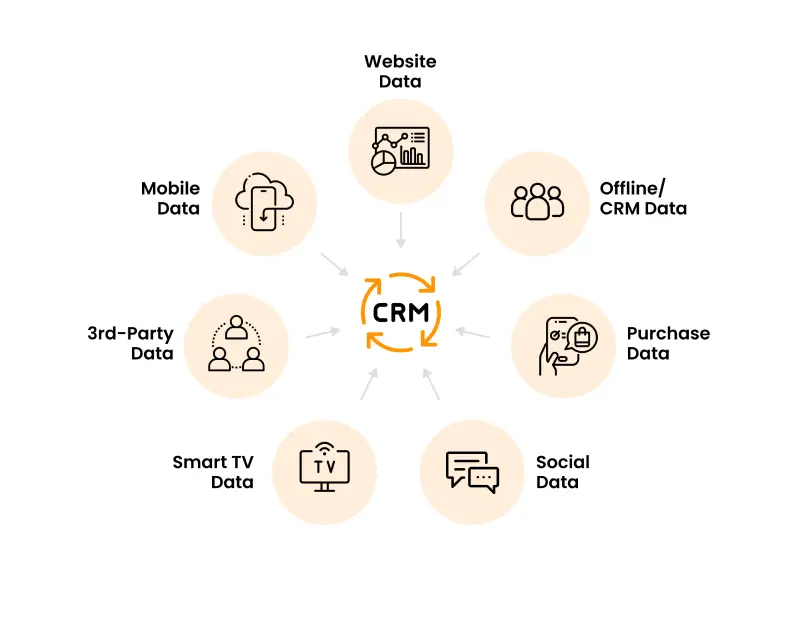
1/ Enabling the Platform Paradigm Shift using Parallel Processing: To account for varying channel requirements, such as a lightweight mobile push notification versus a data-rich email payload, Munvo had to teach the generalized SAS ID engine how to think like a marketer.
Our team engineered templatized rule sets for each distinct channel. By utilizing parallel processing nodes within SAS ID, we were able to evaluate and test multiple channel-specific offers simultaneously, effectively allowing RTDM’s specialized marketing logic to be used but within a modern cloud framework for marketers.
2/ Bridging The Coexistence Problem gap with a “Client Activity View”: To solve the Coexistence Problem during the 10-month rollout, Munvo and the client’s data engineering team architected a unified memory bridge. The contact history from SAS RTDM’s Common Data Model was synchronized into a newly structured Client Activity View table. This acted as a single source of truth for both engines.
If a customer accepted an offer generated by SAS RTDM on Tuesday, SAS ID knew about it on Wednesday after the change in systems, preventing redundant messaging and respecting strict contact fatigue rules when the system switched overnight.
3/ Soaring Concurrent Development with API-Driven Triaging: Because our client’s mobile app, among other tools, was being updated simultaneously with the campaign migration, a failed offer rendering created an immediate diagnostic challenge: was it a SAS ID logic failure, or a front-end app bug?
To prevent QA bottlenecks, Munvo integrated API testing and validation tools like Postman and SoapUI. By intercepting and inspecting the API payloads generated by SAS ID, Munvo could definitively confirm whether the correct offer data was being passed. If the payload was accurate, the issue could immediately be triaged to the front-end technical team, keeping migration velocity high and helping teams identify root causes more efficiently.
Key Benefits

Future-Proofed Decisioning Architecture: By decoupling the decisioning logic from the final delivery channels through templatized rule sets, the financial institution’s marketing engine is now highly scalable and ready to integrate with future digital channels.
Seamless Omnichannel Consistency: The creation of the Client Activity View ensured that customer contact history was perfectly synchronized across both the legacy and modern systems, preventing offer fatigue and protecting the brand experience.
Unblocked Parallel Development: Munvo’s API-driven triage process (using Postman and SoapUI) allowed the client’s front-end developers and Munvo’s decisioning architects to work concurrently without blocking each other’s progress.
This blog post is the second of a three-part series that explores some of the major real-time decisioning Data, Offer Management, and Omnichannel Activation technical challenges encountered and solutions used when migrating marketing campaigns from SAS Real-Time Decision Manager (RTDM) to SAS Intelligent Decisioning (ID) by a major financial services client. While some of the content may be vendor or industry-specific, we hope you find it insightful and relevant in your daily work.
Services Provided: MarTech Modernization, Data Engineering, Testing & QA, Real-Time Marketing, Real-Time Decisioning Strategy, MarTech Modernization, Cloud-Hosted Migration, SAS Intelligent Decisioning Implementation, SAS Real-Time Decision Manager
Key Topics Covered
- Migrating omnichannel offer orchestration from SAS RTDM to SAS Intelligent Decisioning
- Managing offer eligibility and arbitration across multiple customer channels
- Maintaining a single source of truth during phased decisioning migration
- Validating real-time offer delivery while digital channels evolve
The Challenge
These campaigns were highly dynamic offers competing for visibility and presentation across the client’s mobile app, push notifications, emails, and secure website channels. Due to this, omnichannel offer management planning was necessary so that if a customer was eligible for many of our client’s 200+ marketing campaigns, they would be presented the offer that was most relevant to them and drove the highest ROI.
The SAS ID campaign migration presented several complex architectural and operational hurdles to overcome, notably:
- The Platform Paradigm Shift: Legacy SAS RTDM was purpose-built for marketing with an inherent hierarchy for offer arbitration. SAS ID, however, is a generalized decisioning engine, and recreating the legacy marketing hierarchy within a generalized cloud architecture required meticulous re-engineering and extensive expertise.
- The Coexistence Problem: To mitigate risk, the 200+ campaigns active across multiple channels could not be moved with a single “big bang” launch. This meant both the legacy SAS RTDM and the new SAS ID engines had to run simultaneously for nearly a year without sending customers duplicate or conflicting offers, while also ensuring having a single source of truth for offers that a customer was eligible for, shown, or responded to.
- “Staying Airborn” with Concurrent Development: Our client, like most large companies, cannot focus on one migration project and ignore the many others that are in-flight. While Munvo executed the decisioning migration, the client’s internal tech teams were actively enhancing their digital channels, including their mobile app. Thus, our team had to take this into consideration and build decisioning logic for digital real estate that was actively evolving.
The Munvo Solution
To seamlessly transition the client’s omnichannel offer management without disrupting the customer experience, Munvo engineered a flexible architecture and a rigorous, API-driven deployment strategy.
1/ Enabling the Platform Paradigm Shift using Parallel Processing: To account for varying channel requirements, such as a lightweight mobile push notification versus a data-rich email payload, Munvo had to teach the generalized SAS ID engine how to think like a marketer.
Our team engineered templatized rule sets for each distinct channel. By utilizing parallel processing nodes within SAS ID, we were able to evaluate and test multiple channel-specific offers simultaneously, effectively allowing RTDM’s specialized marketing logic to be used but within a modern cloud framework for marketers.
2/ Bridging The Coexistence Problem gap with a “Client Activity View”: To solve the Coexistence Problem during the 10-month rollout, Munvo and the client’s data engineering team architected a unified memory bridge. The contact history from SAS RTDM’s Common Data Model was synchronized into a newly structured Client Activity View table. This acted as a single source of truth for both engines.
If a customer accepted an offer generated by SAS RTDM on Tuesday, SAS ID knew about it on Wednesday after the change in systems, preventing redundant messaging and respecting strict contact fatigue rules when the system switched overnight.
3/ Soaring Concurrent Development with API-Driven Triaging: Because our client’s mobile app, among other tools, was being updated simultaneously with the campaign migration, a failed offer rendering created an immediate diagnostic challenge: was it a SAS ID logic failure, or a front-end app bug?
To prevent QA bottlenecks, Munvo integrated API testing and validation tools like Postman and SoapUI. By intercepting and inspecting the API payloads generated by SAS ID, Munvo could definitively confirm whether the correct offer data was being passed. If the payload was accurate, the issue could immediately be triaged to the front-end technical team, keeping migration velocity high and helping teams identify root causes more efficiently.
Key Benefits
Future-Proofed Decisioning Architecture: By decoupling the decisioning logic from the final delivery channels through templatized rule sets, the financial institution’s marketing engine is now highly scalable and ready to integrate with future digital channels.
Seamless Omnichannel Consistency: The creation of the Client Activity View ensured that customer contact history was perfectly synchronized across both the legacy and modern systems, preventing offer fatigue and protecting the brand experience.
Unblocked Parallel Development: Munvo’s API-driven triage process (using Postman and SoapUI) allowed the client’s front-end developers and Munvo’s decisioning architects to work concurrently without blocking each other’s progress.
Key Takeaway
Modernizing real-time decisioning requires more than migrating campaign logic. By redesigning how offers are prioritized, synchronized, and validated across channels, organizations can successfully transition to SAS Intelligent Decisioning while improving consistency, scalability, and execution across the customer experience.
Thank you for reading this second blog post on real-time decisioning’s Offer Management challenges. Next in the series we will explore Omnichannel Activation challenges for real-time campaigns. Stay tuned!
Key Takeaway
Modernizing real-time decisioning requires more than migrating campaign logic. By redesigning how offers are prioritized, synchronized, and validated across channels, organizations can successfully transition to SAS Intelligent Decisioning while improving consistency, scalability, and execution across the customer experience.
Thank you for reading this second blog post on real-time decisioning’s Offer Management challenges. Next in the series we will explore Omnichannel Activation challenges for real-time campaigns. Stay tuned!
Is Your Offer Management Strategy Ready for Modern Real-Time Decisioning?
TL;DR article summary
Munvo migrated 200+ marketing campaigns from SAS RTDM to SAS Intelligent Decisioning for a financial services client, solving complex omnichannel offer management challenges during a 10-month parallel system operation.
Three critical challenges required innovative solutions: recreating RTDM’s marketing hierarchy in SAS ID’s generalized engine (solved with templatized rule sets using parallel processing for channel-specific offers), preventing duplicate offers while both systems ran simultaneously (solved with unified Client Activity View synchronizing contact history as single source of truth), and validating offers while digital channels evolved (solved with API-driven testing using Postman/SoapUI to instantly triage SAS ID logic vs. front-end bugs).
Results included future-proofed scalable architecture, seamless omnichannel consistency preventing offer fatigue, and unblocked parallel development enabling concurrent work streams—demonstrating that successful real-time decisioning modernization requires redesigning offer prioritization, synchronization, and validation across channels, not just migrating campaign logic.
Sales Inquiries + 1 (514) 223 3648
General Inquiries + 1 (514) 392 9822
sales@munvo.com
© 2026 Munvo is a trademark of Munvo Solutions Inc.