Optimizing Campaign Creative with Smart Persona: AI-Driven Synthetic Research
Creative testing completed in days rather than weeks
Four synthetic shoppers represented different loyalty and shopping behaviors
Two campaign creatives mapped to distinct roles across the marketing funnel
Creative testing completed in days rather than weeks
Four synthetic shoppers represented different loyalty and shopping behaviors
Two campaign creatives mapped to distinct roles across the marketing funnel
Client
A leading Canadian grocery retailer operating in a highly competitive market, where shoppers regularly move between mainstream, discount, and warehouse banners.
The retailer was preparing to launch a brand campaign built around a wordplay tagline that reframed imperfect family moments as something to embrace rather than apologize for. Two creative executions had been developed around the same brand idea, and the marketing team needed to understand how each would resonate with shoppers before committing media investment.
The decision was not simply which creative was better. The retailer needed to determine what each execution did well, how reactions differed by store loyalty and shopping frequency, and where each creative belonged in the marketing funnel.
Challenges
The retailer had two distinct creative directions under consideration:
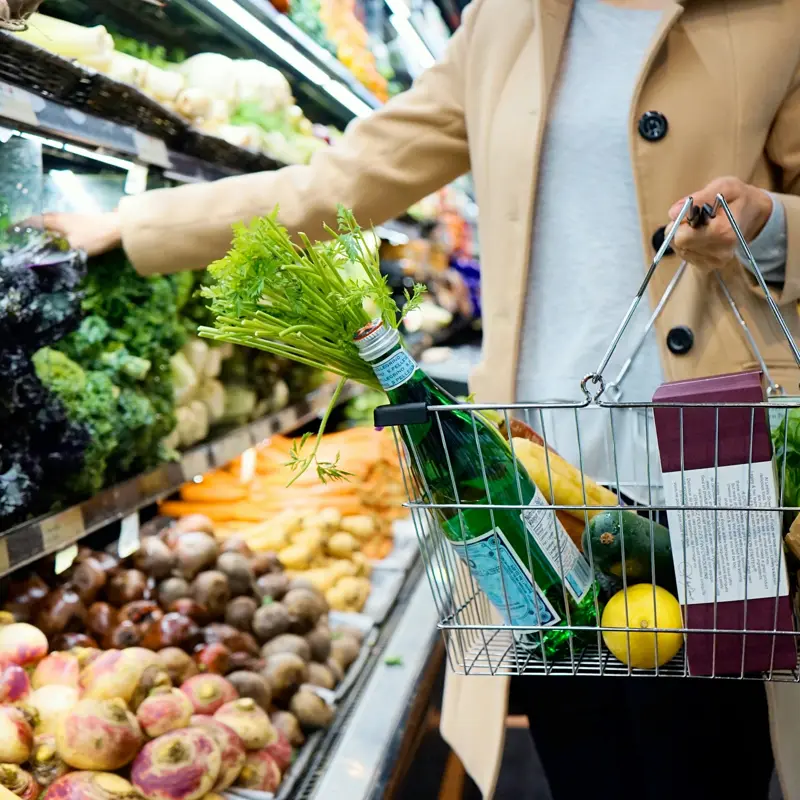
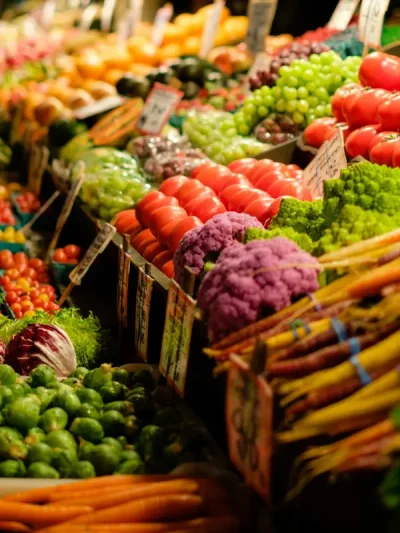
Creative A (“Summer Fresh”) was a warm, family-oriented execution centred on a fresh-produce moment with a bright, summery tone.
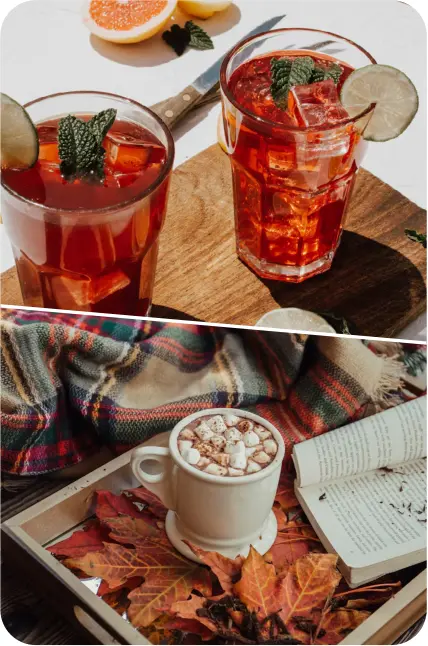
Creative B (“Autumn Treat”) was a sensory, texture-forward execution centred on an indulgent seasonal treat with rich, dynamic visuals.
Both executions used the same wordplay tagline, but they created different emotional and product associations.
The marketing team needed to understand how loyal, occasional, and competitor shoppers would interpret each creative. It also needed to assess message clarity, emotional resonance, brand impact, commercial potential, and the most appropriate channel for each execution.
Traditional focus groups could provide qualitative feedback, but recruiting shoppers with the required loyalty and purchasing profiles would take time and add cost. The campaign decision needed to move forward before a conventional recruitment, moderation, and analysis cycle could be completed.
Challenges
The retailer had two distinct creative directions under consideration:
Creative A (“Summer Fresh”) was a warm, family-oriented execution centred on a fresh-produce moment with a bright, summery tone.
Creative B (“Autumn Treat”) was a sensory, texture-forward execution centred on an indulgent seasonal treat with rich, dynamic visuals.
Both executions used the same wordplay tagline, but they created different emotional and product associations.
The marketing team needed to understand how loyal, occasional, and competitor shoppers would interpret each creative. It also needed to assess message clarity, emotional resonance, brand impact, commercial potential, and the most appropriate channel for each execution.
Traditional focus groups could provide qualitative feedback, but recruiting shoppers with the required loyalty and purchasing profiles would take time and add cost. The campaign decision needed to move forward before a conventional recruitment, moderation, and analysis cycle could be completed.
Munvo Solution
Munvo used Smart Persona to conduct an AI-driven comparative assessment of both creative executions.
Smart Persona generates realistic, data-grounded consumer simulations that allow marketing teams to explore how specific audience segments may respond to messages, concepts, and campaign assets.
Data-Grounded Synthetic Research
Personas are built using more than 12,000 attributes across 35 categories, including demographics, personal finance, purchasing behaviour, lifestyle, and media habits.
The model draws on authoritative Canadian sources, including Statistics Canada, Census data, and national banking association data, helping the personas reflect realistic economic and behavioural conditions. The platform reports approximately 90% alignment with traditional human market research, providing rapid directional insight without the recruitment cycle required for live panels.
Custom Shopper Profiles
Munvo created four synthetic shoppers representing different combinations of store loyalty and shopping frequency.
PERSONA
PROFILE
SHOPPING BEHAVIOR
Persona 1
Occasional shopper of the client banner
Sometimes shops with the client but usually shops with competing discount and mainstream banners
Persona 2
Regular shopper of the client banner
Primarily loyal to the client but occasionally shops with warehouse, discount, and mainstream competitors
Persona 3
Occasional shopper of a competing banner
Sometimes shops with a competing banner but usually shops with discount and warehouse retailers
Persona 4
Regular shopper of a competing banner
Primarily loyal to a competing banner but occasionally shops with mainstream and warehouse retailers
Real persona names and specific store banners have been removed for anonymization.
Structured Creative Evaluation
Each synthetic shopper participated in a simulated interview using a structured discussion guide covering both creative executions.
Munvo assessed the responses across several areas:
Emotional resonance and perceived authenticity
Clarity of the campaign message and wordplay
Brand personality and accessibility
Product and category associations
Potential influence on shopping behaviour
Appropriate funnel role and channel fit
The findings were compared across the four shopper profiles and consolidated into a decision-ready recommendation for the marketing team.
Benefits
The assessment showed that both creative executions resonated with the synthetic shoppers, but they were suited to different campaign objectives.
Creative A: “Summer Fresh”
Creative A generated a strong sense of warmth, simplicity, and everyday family relevance. The connection between the tagline and the imagery was consistently understood, and the execution made the retailer feel more accessible and family-friendly.
The creative also strengthened positive associations with fresh produce, including among shoppers who primarily used competing retailers. Its visible product connection and straightforward emotional message gave it greater potential to support immediate category action.
Creative B: “Autumn Treat”
Creative B generated a stronger sensory and nostalgic response. Shoppers focused on the realistic texture, lighting, and movement within the execution, which made the featured product feel authentic and appealing.
The imagery also evoked positive childhood and seasonal memories, creating a strong emotional connection. Its sensory and visually dynamic qualities made it particularly effective for attracting attention and building brand engagement.
Creative Comparison
blank
Creative A: “Summer Fresh”
Creative B: “Autumn Treat”
Primary strength
Warm, relatable family appeal
Strong sensory and nostalgic appeal
Brand effect
Makes the retailer feel accessible and family-friendly
Builds an approachable and emotionally engaging brand personality
Commercial role
Supports immediate category action
Builds brand warmth and affinity
Best funnel stage
Lower funnel: conversion
Upper funnel: awareness and engagement
Recommended channels
In-store and promotional placements
Digital and social placements
Rather than forcing the marketing team to select one creative and discard the other, the research established a strategic role for both campaign assets.
Creative A was better positioned to support immediate sales in fresh departments through conversion-focused, in-store, and promotional placements. Creative B was better positioned to build brand warmth and digital engagement through upper-funnel awareness and social channels.
Results
Completed comparative creative testing in days rather than weeks.
Evaluated both campaign executions across four shopper profiles representing different loyalty and shopping behaviours.
Identified the distinct emotional, brand, and commercial strengths of each creative.
Established a conversion-focused role for Creative A across in-store and promotional placements.
Established an upper-funnel awareness and engagement role for Creative B across digital and social placements.
Replaced an either-or creative decision with a strategic deployment plan for both campaign assets.
Delivered audience-informed direction before channel assignments and media investment were finalized.
Munvo Solutions is your premier MarTech Solutions partner. As a proud member of the PlusCo network and a specialized marketing agency, we bring you innovative solutions tailored to your needs. Our trusted partnerships with industry leaders like Google Cloud, Adobe, ARISTID, SAS, Salesforce, Unica, Redpoint, and ActionIQ enable us to deliver unparalleled service and expertise.